The July strategy: reading pre-fall signals without wasting money
Think of July as the quiet pre-season where your future fall outfits are decided. While every major shop is pushing final summer markdowns, the smartest question is not just what to buy for early autumn 2026 but when to buy each category. You are building a pre-fall wardrobe that starts on hot August pavements and ends with crisp city walks in late November.
Right now, new pre-fall collections from Paris to London sit beside tired spring racks, and that contrast is your roadmap. Use runway images from Paris pre-collections and London pre-shows as a filter, then scan your local shop floor for versions that feel wearable on a New York commute or a Milan coffee run. The goal is to translate directional fashion trends into outfits that work for school runs, open-plan offices, and quick dinners, not just for a single runway moment.
Start by listing what you actually wore last fall and last spring, then note the gaps that made getting dressed hard. Maybe every shirt felt too summery by late September, or your only jacket was a heavy winter coat that looked wrong with bare ankles. That honest audit answers the pre-season shopping question faster than any influencer haul and keeps your focus on pieces you will genuinely repeat.
Use a simple cost-per-month framework instead of chasing every new fall trend you see on social media. If you buy a light coat in July and wear it from late summer through early fall and into mild winter days, that is four to five months of use, which makes a higher price tag more rational. A sequin skirt that only leaves your wardrobe twice before New Year will never compete with a great jacket on cost per month, no matter how strong the fashion hype feels.
There is also a timing game between sale rails and fresh pre-fall drops that every practical stylist should learn. Shop summer sales for pieces that secretly behave like fall heroes, such as a dark floral dress that layers under a trench coat or a cream shirt that works under a navy jacket. Then reserve your full-price budget for the outerwear, boots, and bags that define your Paris or London silhouette for several seasons.
Five categories that carry you from late summer to deep fall
When you strip away noise, deciding what to buy for the pre-fall 2026 wardrobe comes down to five categories that earn their space. You need one outerwear layer, one boot, one transitional dress, one knit, and one bag that can move between summer and fall outfits without feeling forced. Everything else in the fall collection is optional, but these five are non-negotiable if you want style with sanity.
For the outerwear layer, look for a mid-weight coat or jacket that can handle both Paris drizzle and New York wind without adding bulk. A trench-style coat in cotton gabardine around 200–250 gsm or a softly tailored jacket in a wool blend works over a spring shirt now and over heavier knits when fall trends fully land. Skip heavy puffers until October, because those belong to winter, not to the subtle pre-fall season when temperatures still flirt with summer.
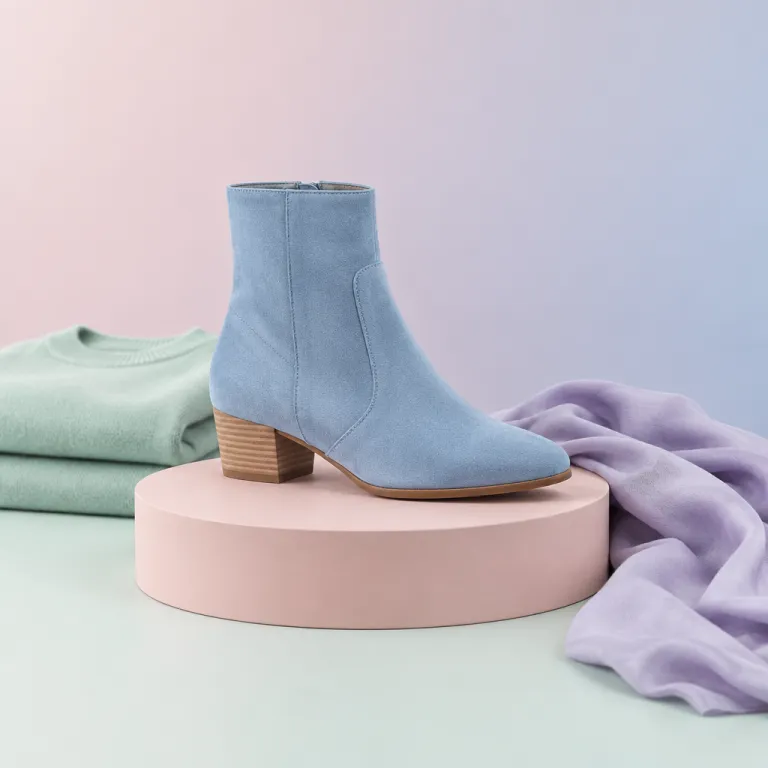
Boots are where runway fantasy meets pavement reality, especially if you split your time between London and York. A block-heel ankle boot in smooth leather, inspired by Milan shows but built for real commutes, will work with bare legs in late summer and with tights once fall fashion deepens. Think about toe shape and shaft height, because those details decide whether the boot flatters both midi skirt lengths and cropped jeans.
The transitional dress is your secret weapon on mornings when the weather app lies. Choose a midi in a breathable fabric that nods to resort ease but in a fall palette, such as rust, forest, or inky navy. Worn with sandals in late summer and with a jacket and boots on Paris streets in October, it stretches your wardrobe without adding clutter.
For knits, resist the urge to buy heavy turtlenecks from early pre-fall drops. Instead, focus on fine-gauge crew necks or polo knits in merino or cotton that slide under a coat now and under a heavier jacket later, giving you multiple outfits from one piece. While you shop, keep an eye on how brands like David Koma or Carolina Herrera handle knitwear in their pre-fall collections, then translate that polish into high-street versions from COS or & Other Stories.
Bags are where cost per month really shines, because a good one works across seasons. A structured medium-size shoulder bag in smooth leather, echoing the clean lines seen on London and Milan runways, will feel right with a floaty summer skirt and with a sharp fall suit. If you are shopping online, use detailed reviews and clear photos to judge stitching, lining, and hardware, because construction quality matters just as much as color and shape.
Color, fabric, and city cues: how runways translate to real life
Color is the quiet answer to what to buy for the pre-fall 2026 wardrobe when you are staring at a sale rail. Instead of chasing every bright summer trend, look for pieces in shades that already appeared on Paris pre-collections and Milan pre-runways, such as deep burgundy, olive, and smoky blue. Those tones sit happily beside both spring brights and fall neutrals, which means your outfits feel intentional from August to November.
Fabric weight matters more than you think when you shop transitional fashion collections. A cotton poplin shirt in a darker stripe, for example, can work with white jeans in late summer around 22°C and with a wool skirt and jacket once temperatures drop closer to 12–15°C. The same logic applies to a fluid midi skirt in viscose or silk that echoes resort ease but in a fall palette, giving you movement without bulk.
City cues help you edit the noise from global runway coverage. Paris runways might show dramatic cape shapes, while New York presentations lean into sharp tailoring and London shows play with eccentric layering, yet your wardrobe only needs the version that fits your daily routes. If your life is more subway platform than couture front row, a clean tailored coat in navy will serve you better than a sweeping statement cape.
Designers like Thom Browne and Isabel Marant offer useful templates for proportion, even if you never buy their pieces directly. Thom Browne’s cropped jacket and high-rise skirt combinations translate beautifully into high-street suits, while Isabel Marant’s slouchy boots and soft coats show how to keep pre-fall outfits relaxed but polished. Carolina Herrera, on the other hand, proves that a crisp shirt and full skirt can feel modern in both spring and fall collections when the fabrics are right.
When you evaluate dresses for late summer weddings or events, borrow a little from eveningwear logic. A structured bodice and clean neckline will layer more easily under a coat than a complicated ruffle or oversized bow. That means the same dress can work for a warm September ceremony and for a cooler October dinner with just a jacket swap and a change of shoes.
Accessories are where you can nod to runway trend energy without overcommitting. A pair of leather gloves in a rich color, or refined silk gloves for evening, can shift a simple coat and skirt into something quietly dramatic. Think of these details as your creative-director touches, small but decisive, that make a basic fall collection feel edited rather than random.
What to skip for now and how to future proof your buys
Answering what to buy for pre-fall 2026 also means being ruthless about what not to buy yet. Heavy wool coats, chunky winter scarves, and lined snow boots belong to a later fall fashion phase, not to the early-season window when temperatures still swing. If you grab them now, you lock up budget that could have gone to a perfect jacket or skirt you will wear weekly from late summer onward.
Skip trend pieces that only work in one narrow weather band or one social media moment. A micro mini skirt in a fragile fabric might look great on a runway, but if you cannot style it with tights and a coat once York winds arrive, it will gather dust. Instead, choose lengths and fabrics that can handle both bare legs in September and layered tights in November, giving you multiple outfits from a single purchase.
Be cautious with ultra-specific prints that scream one season only. Loud tropical motifs feel out of place once fall trends shift toward richer textures, while subtle florals in deeper tones can bridge summer and fall collections with ease. When in doubt, imagine the piece under a navy coat or camel jacket, and if it clashes in your mind, leave it on the rail.
Future-proofing also means paying attention to how creative-director changes at major houses ripple down to the high street. When a new creative director at a Paris or Milan house pushes a strong leather story, you will see leather-inspired pieces everywhere the following London and Milan seasons. If leather is not your thing, resist the pressure and double down on fabrics you actually enjoy wearing, such as cotton, merino, or technical blends.
Think about your life rhythm across cities, even if they are only aspirational references. A coat that works for both a rainy London commute and a crisp Paris café terrace will almost always serve you better than a piece designed only for car-to-restaurant dressing. The same logic applies to bags, boots, and shirts that need to handle school runs, office days, and weekend brunches without constant outfit overhauls.
Finally, remember that fall trends come and go, but your personal style is the constant. Use runways from Paris pre-collections, London previews, New York shows, and Milan presentations as mood boards, not commandments, then edit them through the lens of your real calendar and climate. That is how you turn the noise of early-season fashion coverage into a calm, coherent fall collection that feels like you, not like a costume borrowed from someone else’s runway fantasy.
FAQ: smart pre-fall shopping
How early should I start shopping for pre-fall pieces ?
Start scanning pre-fall drops and late summer sales in July, then buy key pieces once you can imagine at least three outfits for each. This timing lets you catch your size before it sells out while still using a cost-per-month lens across the whole fall season. Heavy winter items can wait until October, when you better understand your real gaps.
Which single item gives the best value from July to November ?
A mid-weight coat or jacket in a neutral color usually delivers the best value. You can throw it over summer dresses on cool evenings, then layer it over knits and shirts once fall fashion deepens. If you commute in a city like London or York, prioritize water-resistant fabrics and a length that covers most skirts.
How do I balance trends with a limited budget ?
Anchor your budget in timeless categories like boots, coats, and bags, then add one or two smaller trend pieces each season. Use runway and fall collection coverage from Paris, London, and Milan as inspiration, but buy the high-street versions that fit your lifestyle. If a trend item cannot work across at least two seasons, it probably is not worth your money.
What colors work best for transitional outfits ?
Deep neutrals such as navy, charcoal, chocolate, and olive move easily from late summer into fall trends. You can pair them with brighter resort pieces now and with richer textures later in the season. When in doubt, choose a color you already wear often, then upgrade the fabric and cut.
How many pre-fall pieces do I actually need ?
Most women can build a strong pre-fall wardrobe with one coat or jacket, one pair of boots, one transitional dress, two versatile knits, and one everyday bag. Everything beyond that should earn its place by working with multiple existing outfits. This approach keeps your closet focused while still letting you enjoy new fashion each season.