Why your favorite cosmetic products suddenly feel different
Your serum, sunscreen, or signature fragrance may have quietly changed. Behind that new texture sits a dense layer of European cosmetics law that now shapes every cosmetic product reaching the European Union market. For fashion women passionate about beauty, understanding this new wave of EU cosmetic reformulations ahead of 2026 is as essential as knowing which blazer cut flatters your shoulders.
The core legal framework is Regulation (EC) No 1223/2009 on cosmetic products, complemented by chemicals rules under the CLP Regulation (Regulation (EC) No 1272/2008). In recent years, the European Commission has tightened how many substances can appear in cosmetics and in what concentration, especially where potential carcinogenic, mutagenic, or reprotoxic (CMR) substances are involved. For example, Commission Regulation (EU) 2024/197 of 17 January 2024 (OJ L 202, 20.7.2024, p. 1–35) and related amendments to Annexes II, III and VI of Regulation (EC) No 1223/2009 introduced new restrictions and prohibitions for multiple ingredients, forcing immediate changes in formulas, packaging details, and even marketing claims. In several cases there was no long adaptation period, so brands either met the new compliance requirements quickly or pulled entire product lines from shelves.
Fragrance-heavy products, silver-based personal care, and certain sunscreens were hit hardest by this updated regulatory package. Hexyl salicylate, a common fragrance ingredient, is now classified as a CMR substance under the CLP Regulation and has been added to Annex III (restricted substances) of Regulation (EC) No 1223/2009 with specific maximum concentration limits in different product categories, as published in the Official Journal and accessible via EUR-Lex. That means your once heady floral mist may feel softer and more skin-close. Silver in nano form, used as an antimicrobial cosmetic ingredient in some high-tech serums and deodorants, has been listed in Annex II (prohibited substances) for most cosmetic uses through recent Commission amendments, so the cosmetics industry had to rework preservation systems and rethink preservatives to keep safety documentation watertight.
How to spot a reformulation on the shelf and online
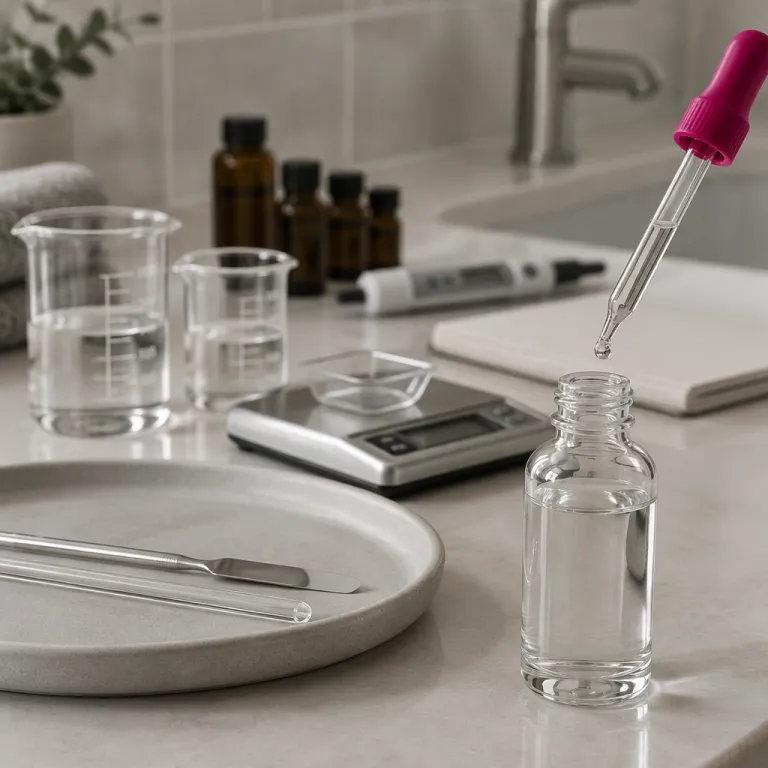
The fastest way to track these EU-driven cosmetic reformulations is to treat your bathroom like a mini lab. Start with the outer packaging, because Regulation (EC) No 1223/2009 requires that any new ingredient list, new concentration, or new warnings appear there first. A tiny shift in font, a moved logo, or a fresh line about fragrance allergen content often signals deeper changes inside the bottle.
Flip every cosmetic product and compare the International Nomenclature of Cosmetic Ingredients (INCI) list against an older bottle or a screenshot from your last order. Look for new preservatives, missing substances, or different positions of key cosmetic ingredients, because order reflects concentration from highest to lowest. If hexyl salicylate suddenly drops down the list or disappears, that usually means the brand is aligning with updated concentration limits and allergen thresholds set under the latest Commission regulations amending Annex III of Regulation (EC) No 1223/2009 and the corresponding CLP classification.
Batch codes also tell a story about the products market, especially when you shop cross-border or online. A European batch of the same product may comply with the stricter EU cosmetics regulation while a United States batch still uses the previous formula for its domestic market. When your serum from a US retailer smells stronger than the one bought in Paris, you are likely holding two different products shaped by two different regulatory systems, and only the EU version follows the specific limits now recorded in EUR-Lex and the relevant Annex updates.
For manicure lovers tracking ingredient shifts in nail color, this same logic applies to your deep red polishes and quiet luxury shades. When you read about black cherry nail varnish as a new quiet luxury manicure choice, remember that pigment selection, solvents, and preservatives in those personal cosmetics must now respect updated allergen thresholds and prohibited substances lists under Regulation (EC) No 1223/2009 and its Annex II and III entries. The bottle may look identical, but the regulatory story behind that glossy finish has changed significantly.
What changed inside your fragrance, serum, and sunscreen
Fragrance is where most fashion women first feel the impact of these EU cosmetic safety updates. Hexyl salicylate, often used to build creamy floral notes, is now subject to a defined maximum concentration in perfumes and even lower levels in leave-on personal care, according to its listing in Annex III of Regulation (EC) No 1223/2009 following its CMR classification under the CLP Regulation and the measures in Commission Regulation (EU) 2024/197. That means your once loud bouquet may now read as a skin scent, more intimate and less room-filling, which some will love and others will miss.
Leave-on cosmetic products such as serums, moisturizers, and body milks also saw ingredient changes driven by new allergen thresholds and concentration limits. Brands had to rebalance preservatives, swap certain substances, and sometimes adjust the overall concentration of active cosmetic ingredients to keep performance while staying within the updated Annexes of the main regulation. When your vitamin C serum feels slightly thinner or your retinol cream smells less medicinal, you are feeling the regulatory hand, not necessarily a downgrade in care or efficacy.
Sunscreens and silver-based antimicrobial skincare sit in a special spotlight because of safety documentation demands. Silver nano materials, once used to keep products fresher for longer, have been added to Annex II as prohibited substances for most cosmetic applications through recent Commission amendments to Regulation (EC) No 1223/2009, so formulas relying on that technology had to pivot fast. Many brands leaned into alternative preservatives and more classic UV filters, while ensuring that every product information file, every claim, and every line of safety documentation can stand up to scrutiny from a national competent authority or the European Commission itself.
Nail and hand care, especially for women who love elevated details, also ride this reformulation wave. When you invest in elevated designer nails with a couture mindset, the solvents, pigments, and plasticizers in those personal products must now align with CLP Regulation classifications and the latest Commission regulations updating the Annexes of Regulation (EC) No 1223/2009. The finish on your manicure stays glossy, but the behind-the-scenes chemistry has shifted toward safer, more tightly controlled cosmetic ingredients.
Performance, safety, and what this means for your routine
Many fashion women worry that these EU-driven reformulations will dull their favorite products. In practice, most well-resourced brands treat this regulatory moment as a quality upgrade, using it to refine textures, reduce unnecessary fragrance, and clean up borderline substances. The best houses already kept internal concentration limits below legal maximum thresholds, so the visible changes in performance often stay subtle.
Performance shifts tend to show up most clearly in fragrance and high-actives skincare. A perfume with reduced fragrance allergen content may feel less diffusive but often wears closer to skin, which can read as more sophisticated and office-friendly. Serums that once relied on silver nano or borderline preservatives now lean on more modern systems, and while the first pump may feel different, the long-term care for your barrier and microbiome usually improves under the tighter requirements.
From a safety perspective, this is a win for anyone with sensitive skin, eczema, or a history of reacting to cosmetic products. Lower allergen thresholds and stricter control of substances classified under the CLP Regulation reduce the risk of cumulative irritation from daily personal care, especially when you layer multiple cosmetics. For the conscious shopper who already reads every ingredient list, this regulatory shift simply aligns the baseline market with the standards you were privately holding, making the overall products market safer and more transparent.
Your fashion life also extends beyond the bathroom shelf into the way you move through summer streets and social events. When you slip into a linen dress and pair it with linen espadrilles in a timeless French summer formula, the sunscreen on your ankles and the fragrance on your wrists now reflect this new regulatory era. The look stays effortless, but the chemistry behind your glow and scent has been quietly recalibrated for safer, more responsible care.
EU versus US formulas and how to shop smarter
One of the most confusing parts of this new phase of EU cosmetic regulation is the split between EU and US versions of the same product. A serum bought in Paris may follow the latest European Commission Annex updates to Regulation (EC) No 1223/2009, while the bottle shipped from a US warehouse still uses the older formula with different substances and higher concentration of certain fragrance allergens. For fashion women who shop globally, that means the same brand name no longer guarantees the same cosmetic product inside.
To navigate this, treat region labels and batch codes as part of your beauty styling toolkit. Check whether the packaging lists an EU responsible person address, because that signals the product falls under EU cosmetics regulation and related Commission regulations published on EUR-Lex. When you see only a US address and no EU compliance markings, assume the formula may not reflect the latest requirements, especially around prohibited substances and maximum concentration limits for cosmetic ingredients.
This split also affects the cosmetics industry supply chain, which now has to juggle parallel formulas, separate safety documentation files, and different claims strategies for each market. Some brands will harmonize upward, bringing US products in line with EU standards to simplify logistics and strengthen their reputation for safe, specific care. Others will maintain regional differences, so your job as a conscious shopper is to read labels with the same attention you give to fabric composition tags on a blazer or the rise measurement on your favorite jeans.
When in doubt, prioritize transparency and responsiveness over pure marketing gloss. Brands that clearly explain their reformulation choices, publish updated ingredient lists, and reference the relevant regulation in plain language usually handle compliance with more rigor. A concrete example: in 2023 and 2024 several major fragrance and skincare houses, including L’Oréal and Coty, publicly announced formula updates and ingredient substitutions in response to new CMR classifications and Annex changes under Regulation (EC) No 1223/2009, often citing the Official Journal or EUR-Lex entries in their corporate statements and annual reports. That level of openness mirrors the best fashion labels, the ones that tell you where the cotton was grown and how the dyeing process works, instead of hiding behind vague sustainability claims.
How to future proof your beauty shelf as regulations keep evolving
Regulation will not stop with this wave of EU cosmetic safety updates, because science and consumer expectations keep moving. The European Commission regularly updates the Annexes of Regulation (EC) No 1223/2009 to reflect new toxicology data, shifting the status of certain substances from allowed to restricted or fully prohibited. For fashion women who build curated beauty wardrobes, that means learning to choose products and cosmetics brands that can evolve gracefully with every new regulatory cycle.
Start by favoring brands that invest visibly in regulatory expertise and robust safety documentation. When a label talks clearly about CLP Regulation classifications, allergen thresholds, and how they manage preservatives and fragrance allergens, you know they are not just chasing trends but building long-term compliance. Those are the houses most likely to handle future changes in cosmetic ingredients without compromising performance or forcing abrupt product discontinuations.
Next, think of your bathroom shelf like a capsule wardrobe built around versatile, high-quality pieces. A streamlined routine of well-formulated cosmetic products, with transparent ingredient lists and thoughtful concentration choices, will weather regulatory shifts better than a cluttered collection of impulse buys. Just as you invest in a perfect blazer or a pair of jeans with the right rise and ease, invest in serums, sunscreens, and personal care staples from brands that treat regulation as a design constraint, not an afterthought in the supply chain.
Finally, remember that safer formulas are part of the same movement that gave you size-inclusive tailoring, better fabrics, and more honest marketing in fashion. The same consumer pressure that pushed for ethical production now pushes the cosmetics industry toward safer, more rigorously controlled substances and clearer claims. That is not the runway look, but the Tuesday morning version, where your serum, your scent, and your SPF quietly work as hard as your favorite trousers.
FAQ
Why does my perfume smell weaker than before?
Your perfume may smell softer because the concentration of certain fragrance allergens such as hexyl salicylate has been reduced to meet new maximum concentration limits. These limits follow its CMR classification under the CLP Regulation and its listing in Annex III of Regulation (EC) No 1223/2009, as reflected in Commission Regulation (EU) 2024/197 and related measures published on EUR-Lex. The overall character of the fragrance should remain similar, but projection and intensity can change slightly.
How can I tell if a product follows EU cosmetics regulation?
Check the packaging for an EU responsible person address and the standard cosmetic jar symbol, then read the ingredient list for alignment with current Annex updates to Regulation (EC) No 1223/2009. Products sold officially within the European Union must comply with EU cosmetics regulation, related Commission regulations, and safety documentation requirements. If you buy from non-EU websites, verify that the batch is intended for the EU market, not only for another region.
Are reformulated products less effective for skin care?
Reformulated cosmetic products are not automatically less effective, because most brands replace restricted substances with alternative cosmetic ingredients that offer similar performance. The goal of these recent EU updates is to improve safety by controlling substances and preservatives, not to reduce efficacy. Any change you feel is usually related to texture, scent, or application rather than the core skin care benefits.
Why are US and EU versions of the same product different?
US and EU versions can differ because they follow different regulatory frameworks and safety requirements. The European Commission applies stricter rules on certain substances, prohibited substances lists, and concentration limits through Regulation (EC) No 1223/2009 and its Annexes, which forces EU-specific formulas. Some brands maintain separate products for each market, while others choose to align globally with the stricter EU standard.
Should I replace older products that predate the new rules?
You do not need to panic-replace everything, but you can phase out older products if you have sensitive skin or known allergies. Newer batches that comply with the latest Annex updates to Regulation (EC) No 1223/2009 will generally offer a safer profile, especially around fragrance allergens and preservatives. As you finish existing items, consider repurchasing from brands that clearly communicate their reformulation and compliance strategy.