Fabric, cut, and length: decoding summer dress styles that flatter
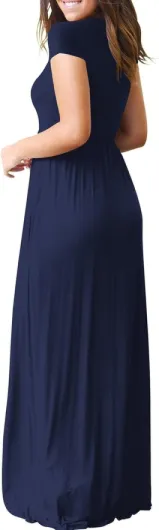
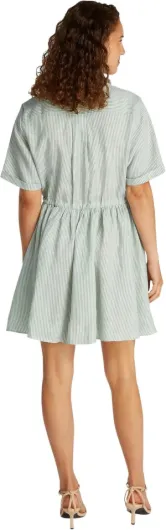
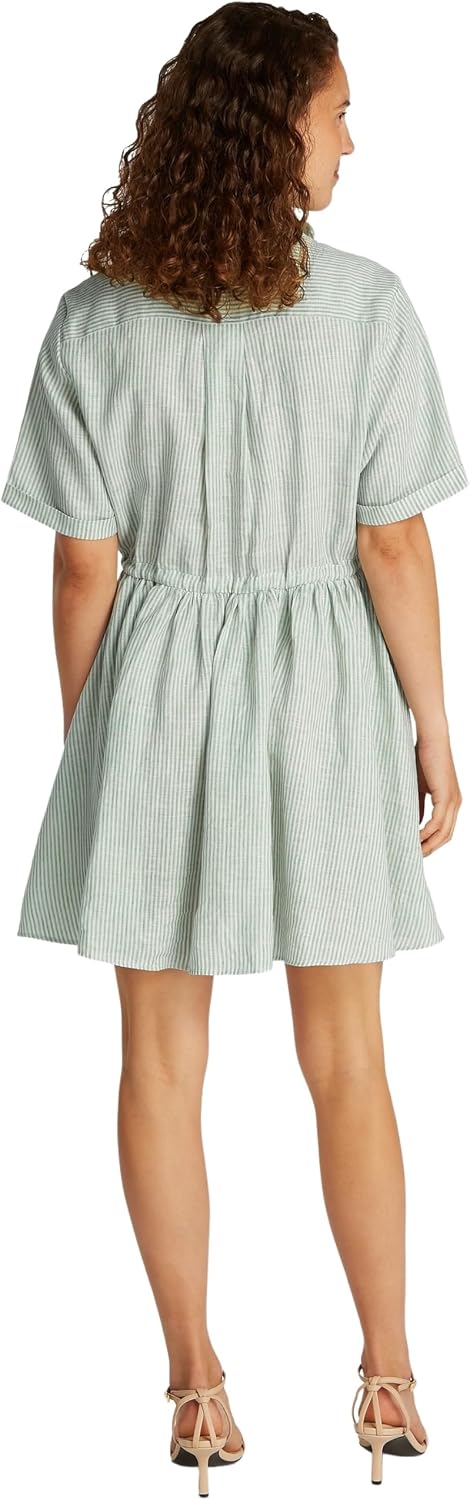
Understanding how fabric and cut interact helps you select the best womens summer dresses for your body shape. Cotton poplin around 110–130 g/m² gives structure to a shift dress, while soft linen in the 150–180 g/m² range creates a relaxed drape that flatters curves without adding bulk. If you prefer a more romantic mood, an embroidered cotton maxi dress with a flutter sleeve can feel both airy and refined.
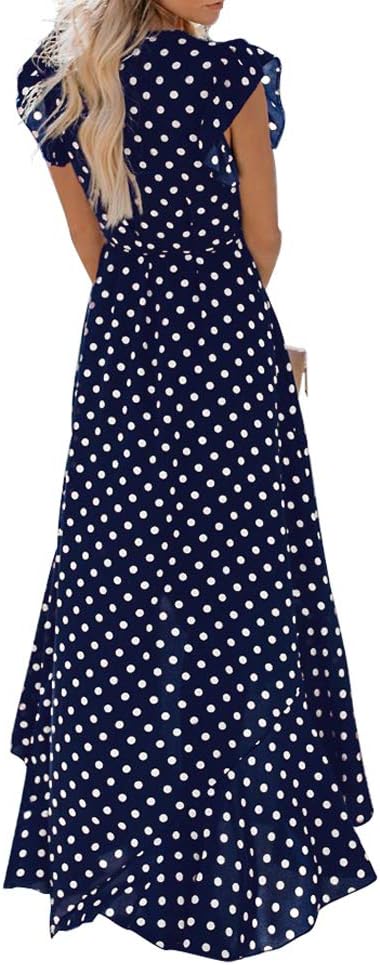
Length is a strategic choice rather than a simple trend decision for fashion women passionate about dresses. A midi dress usually ends around mid calf, which highlights the ankle and works beautifully with both flat sandals and block heels. Petite women often find that a slightly shorter midi length or a high low hem on a maxi dress prevents the fabric from overwhelming their frame.
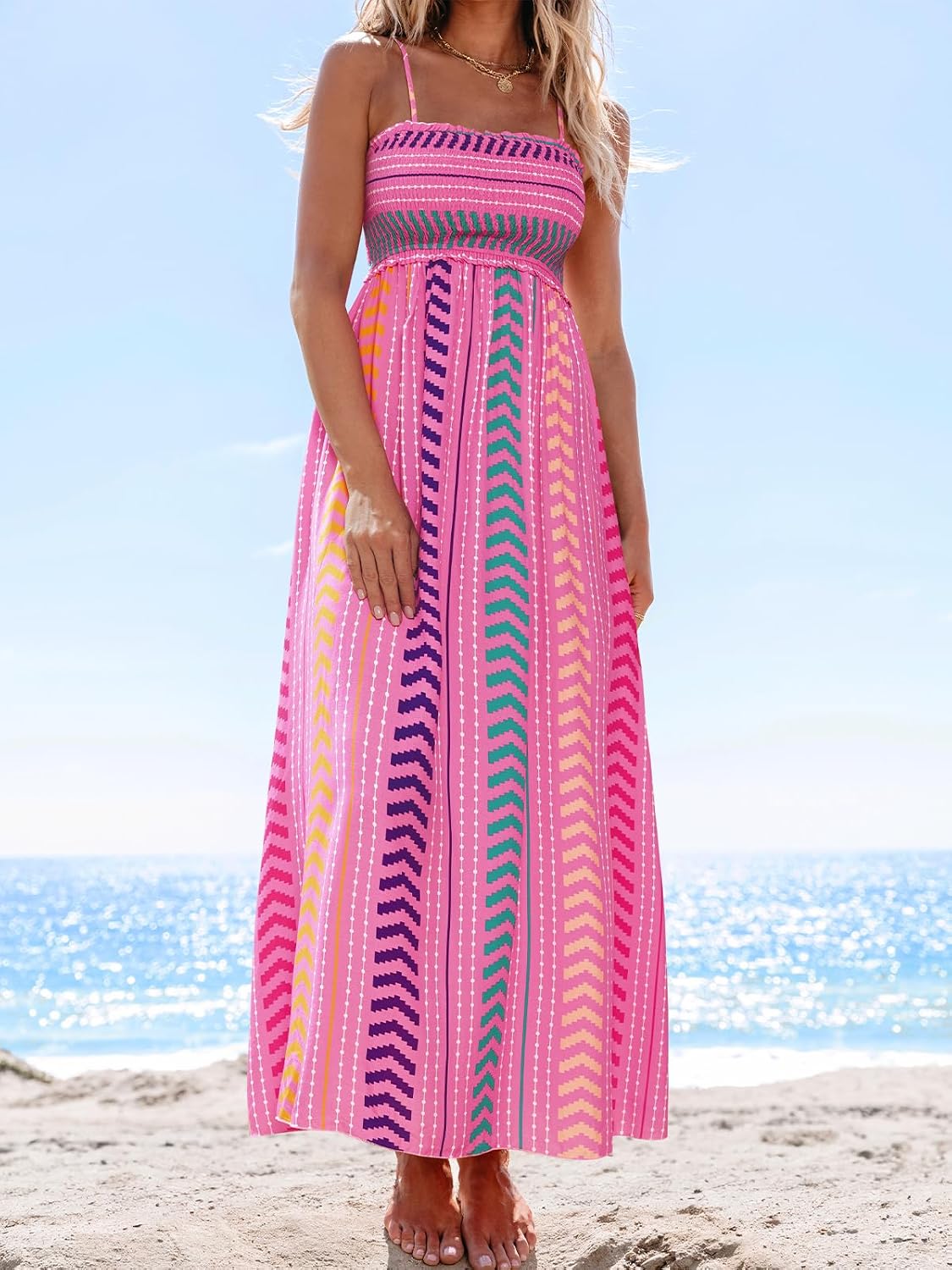
Cut details such as a shirred bodice or a defined waist panel can transform how a dress sits on the body. A shirred top adapts to subtle weight fluctuations and offers gentle support, which makes it one of the best features in summer dresses for long days. Women with straighter figures may prefer a shift silhouette that falls from the shoulder, while those with a defined waist often feel most confident in a fit and flare midi dress.
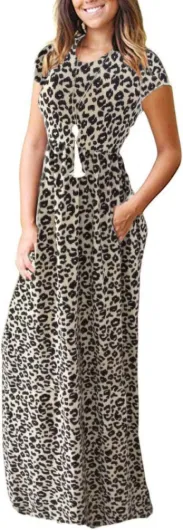
Fabric choice also influences how prints and colours appear on the body. A black print on crisp cotton reads sharper than the same print on slub linen, which looks softer and more bohemian. When you evaluate a dress embroidered with contrasting thread, check that the embroidered motifs align with your proportions rather than cutting across the widest part of your hips or bust.
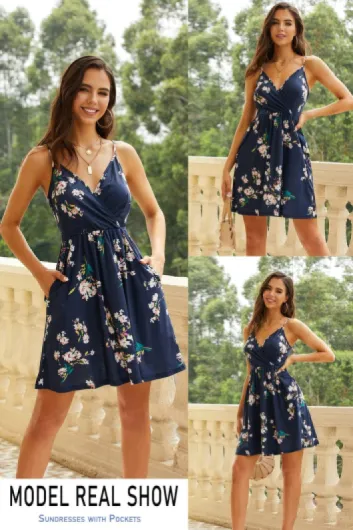
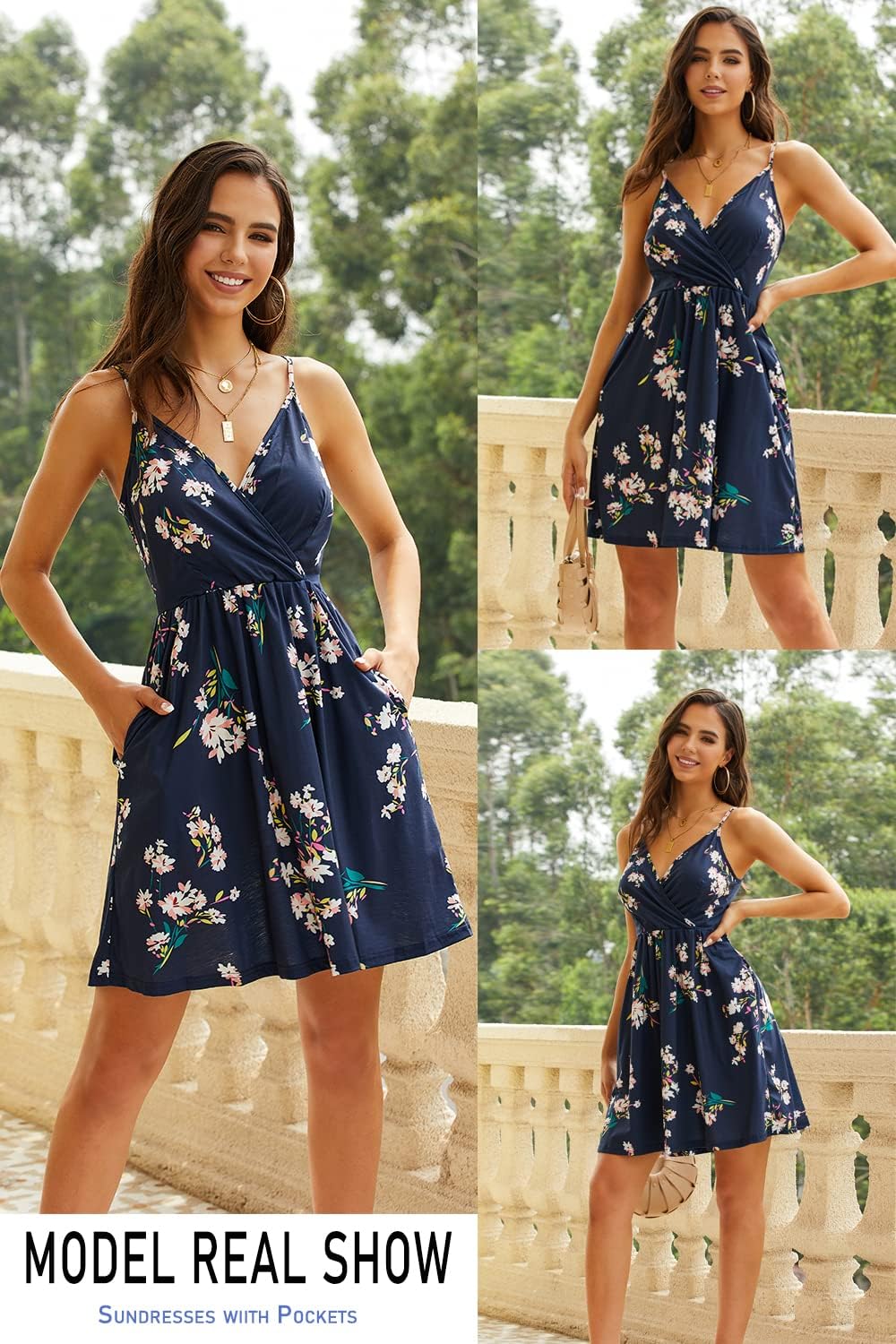
For those who love floral styles, a V neck sundress with a flowing midi skirt can be a wardrobe anchor, especially when it includes pockets and adjustable straps. A detailed product test such as this V neck floral spaghetti strap summer midi dress review shows how fabric weight, strap placement, and skirt volume work together in real life. Use this type of close view to compare dresses before you buy, focusing on how the sleeve shape, neckline, and length will integrate with your existing tops and lightweight sweaters.
Colour, print, and embroidered details: building a distinctive summer signature
Colour is often the first element that attracts you to a dress, yet the best womens summer dresses use colour strategically. Black dresses remain timeless, but in hot weather they benefit from breathable fabrics such as cotton or linen and from airy cuts like a sleeveless shift or a strappy maxi dress. When you select a black midi dress, look for a slit or open back detail that keeps the style from feeling visually heavy.
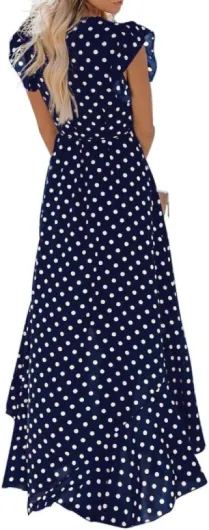
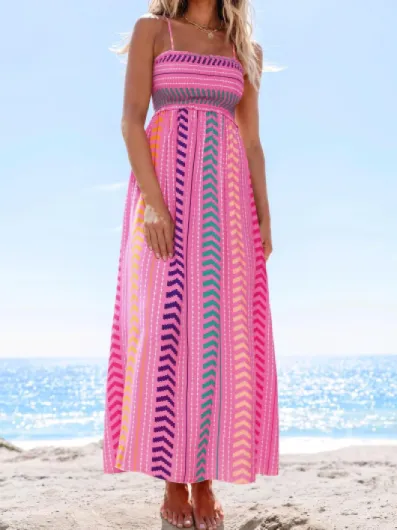
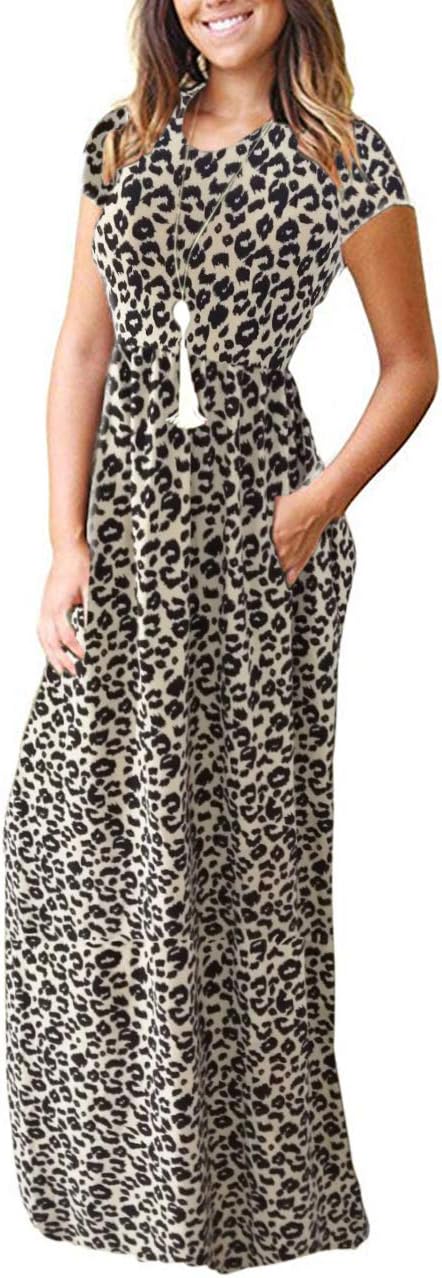
Print placement can subtly sculpt the body and change how a dress reads from a distance. Vertical or diagonal print layouts elongate the figure, while dense all over florals can either charm or overwhelm depending on scale and contrast. If you are petite, choose dresses where the print motifs are smaller than your palm, and if you are taller, you can confidently wear larger prints without losing definition.
Embroidered details add texture and craftsmanship to summer dresses without relying on loud colours. A white cotton dress embroidered with tonal thread feels fresh for city days, while a brightly embroidered neckline on a black maxi dress draws attention upward to the face. When you invest in a dress embroidered with intricate motifs, check the reverse side to ensure the stitching is smooth against the skin and will not irritate during long wear.
Statement colour trends also influence how fashion women curate their seasonal wardrobes. Bold jewel tones and saturated brights are replacing safe neutrals in many collections, as explored in this analysis of why women are choosing amethyst over beige this summer. Use these insights to sort which colours feel aligned with your personality, then apply them to your next midi dress or maxi dress purchase.
Pattern mixing with tops and sweaters can extend the life of your dresses beyond peak heat. Layer a fine gauge black sweater over a floral midi dress so that only the printed skirt shows, effectively turning the dress into a skirt. This styling trick works especially well with cotton and linen dresses, because the fabrics remain comfortable even when you add a light sleeve layer for cooler mornings.
From office to evening: styling the best womens summer dresses all day
Versatility is a defining quality of the best womens summer dresses for busy women. A simple shift dress in breathable cotton can move from desk to dinner with only a change of shoes and jewellery. When you select such a dress, prioritise a sleeve length and neckline that respect office codes while still feeling feminine after hours.
For corporate environments, a solid colour midi dress in black, navy, or deep green offers a polished base. Add a lightweight blazer during meetings, then remove it and switch to statement earrings for evening drinks, letting the dress carry the look. A subtle print or a discreet dress embroidered detail at the hem can keep the style from feeling too formal without compromising professionalism.
Creative workplaces allow more freedom with styles, prints, and textures. A linen maxi dress with a shirred bodice and puff sleeve can look refined with leather sandals and a structured tote, especially when the print remains in a muted palette. If air conditioning runs cold, keep a fine knit sweater at your desk to layer over the dress, effectively turning it into a skirt and extending its wear into early autumn.
Weekend dressing invites a different approach to the same dresses. Tie a crisp shirt over a strappy midi dress for brunch, or layer a cropped sweater over a maxi dress for a relaxed market stroll. These styling shifts let you sort your wardrobe by function rather than by rigid categories of work and leisure.
Trend analysis from runway to real life shows that women increasingly favour pieces that work across multiple seasons and settings, as highlighted in this guide to spring trends that actually work on a Tuesday morning. Apply the same logic to your summer dresses by choosing lengths, sleeve shapes, and fabrics that layer well with tops and sweaters. This approach ensures that every dress, from the simplest shift to the most embroidered maxi dress, earns its place in your wardrobe.
Smart shopping: how to select, sort, and care for summer dresses
Strategic shopping turns a collection of random dresses into a coherent summer wardrobe. Before you buy another dress, review what you already own and note which lengths, fabrics, and styles you actually wear. This honest view helps you select only the best womens summer dresses that fill real gaps rather than repeating similar pieces.
When you shop online, pay close attention to fabric composition, garment measurements, and model height. A maxi dress that appears ankle length on a tall model may function as a midi dress on a shorter woman, which can be either perfect or problematic depending on your expectations. Always check the size chart and compare it with a similar dress you already own, measuring from shoulder to hem and across the bust and waist.
Sorting your wardrobe by category makes daily dressing faster and more intentional. Group cotton and linen dresses together for the hottest days, and keep black dresses and more structured styles in a separate section for evening or office wear. Within each group, arrange by length, from mini to midi to maxi, so you can quickly select the right silhouette for the weather and occasion.
Caring properly for fabrics extends the life of the best womens summer dresses and preserves their colour and shape. Wash cotton and linen in cool water, reshape embroidered areas while damp, and dry dresses flat or on padded hangers away from direct sun. For a dress embroidered with delicate thread or beads, consider hand washing or professional cleaning to prevent snagging and distortion.
Responsible retailers now provide clearer information about shipping returns, including time frames and environmental impact. Before you order multiple sizes of the same dress, read the shipping returns policy carefully so you understand costs and conditions. This habit not only protects your budget but also encourages more thoughtful selection of dresses, tops, and even lightweight sweaters that truly suit your style and needs.
Building a capsule of top women's summer dresses
A focused capsule of the best womens summer dresses simplifies packing, dressing, and seasonal transitions. Aim for a small set of dresses that cover work, weekend, and special occasions, rather than a crowded rail of rarely worn pieces. This approach highlights quality fabrics, flattering cuts, and versatile colours over impulse trends.
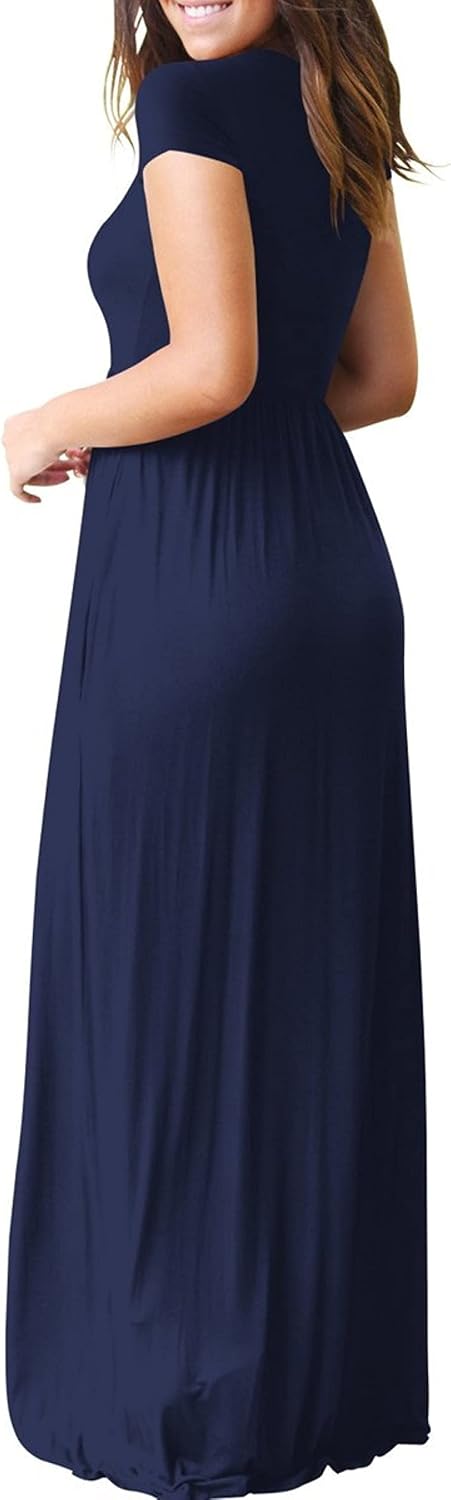
Start with one black midi dress in a breathable fabric such as cotton or linen, because it anchors both day and evening outfits. Add a printed midi dress with a shirred bodice for relaxed days, choosing a print that works with your existing tops, sandals, and bags. Complete the core with a flowing maxi dress, ideally a dress embroidered with subtle detail that feels special yet still comfortable for long events.
Next, consider climate and lifestyle when you refine the capsule. If you live in a very hot region, prioritise sleeveless or short sleeve styles and airy fabrics, and keep only one or two lightweight sweaters for cooler nights. In milder climates, a mix of sleeve lengths and a couple of shirt dresses will give you more layering options across the season.
Accessories extend the range of each dress without adding bulk to your wardrobe. A woven belt can define the waist of a shift dress, while delicate jewellery elevates a simple cotton midi dress for evening. Changing shoes from flat sandals to heeled mules instantly shifts the mood of a maxi dress from beach casual to dinner ready.
Finally, review your capsule at the end of the season and note which dresses felt like the best investments. Keep a brief written view of what worked, including favourite lengths, sleeve shapes, and fabrics, so you can select more accurately next year. Use this reflection to sort out any dresses that no longer fit your style, making space for future pieces that truly earn the title of best womens summer dresses in your wardrobe.
Key figures shaping the market for women's summer dresses
- According to data from Statista’s “Revenue in the Dresses & Skirts Segment” (global apparel report, updated 2023, section on women’s apparel revenue), global revenue in the women's dresses and skirts segment exceeded 150 billion euros in 2022, with summer dresses representing a significant share of seasonal sales in Europe and North America.
- Reports from the Ellen MacArthur Foundation, including the 2017 study “A New Textiles Economy: Redesigning Fashion’s Future” (pp. 20–23), indicate that extending the active life of clothing by just nine months can reduce carbon, water, and waste footprints by around 20 to 30 percent, which underscores the value of caring properly for cotton and linen summer dresses.
- A consumer survey by McKinsey & Company on fashion and sustainability, “The State of Fashion 2020” (exhibit 18), found that more than 60 percent of respondents consider material composition when purchasing clothing, which supports the growing demand for natural fibre dresses such as cotton and linen styles.
- Retail analytics from major European e commerce platforms, summarised in Statista’s 2022 online fashion trend dashboards (women’s dresses section), show that midi dress lengths have grown steadily in popularity over the last five years, often outperforming mini and maxi lengths in search and conversion data during peak summer months.
Trusted references for further reading
- Statista – “Revenue in the Dresses & Skirts Segment” and related online fashion trend reports (latest editions 2022–2023, global apparel and e commerce dashboards).
- Ellen MacArthur Foundation – “A New Textiles Economy: Redesigning Fashion’s Future” (2017) and follow up circular fashion briefings on clothing longevity.
- McKinsey & Company – “The State of Fashion 2020” and subsequent annual fashion and sustainability reports on consumer attitudes to materials and styles.