Gucci storia florence 2026 and the new race for heritage rooms
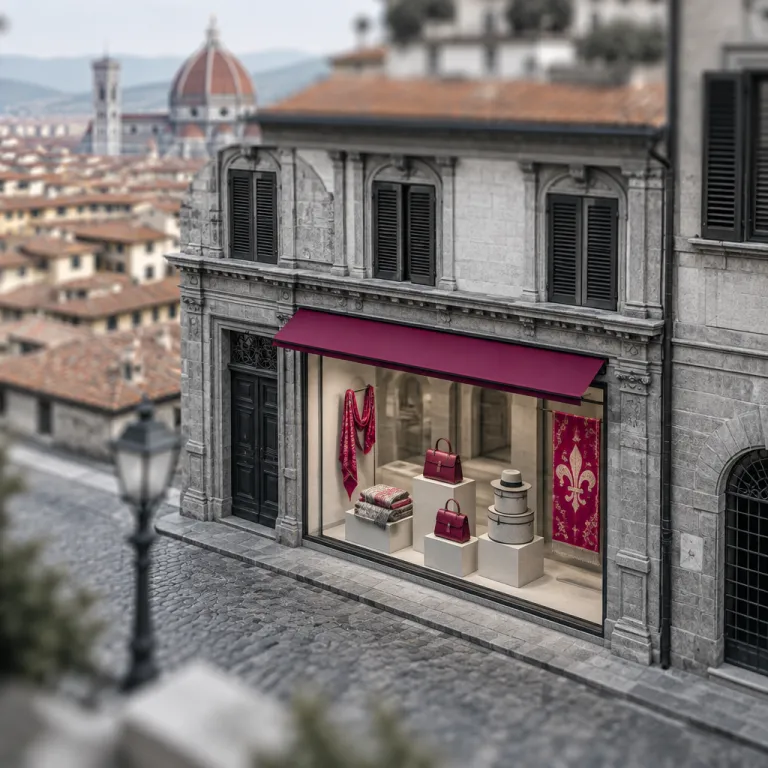
Gucci Storia Florence 2026 lands in the heart of Florence, inside the fourteenth century Palazzo della Mercanzia on the edge of Piazza della Signoria. The historic building, sometimes informally described in fashion coverage as Palazzo Gucci, now hosts a cultural space dedicated to the fashion house where the storia exhibition unfolds across carefully choreographed rooms that feel closer to a museum than a flagship. For fashion‑obsessed visitors curious about how a brand edits its own history, this physical exhibition is a clear signal that luxury houses now compete on narrative, not just on product.
Inside the palazzo, the Gucci Storia path starts with a space often described as “The Thread of Time”, a room that lays out Gucci history decade by decade, from luggage roots to red carpet dominance and the Tom Ford shockwave. Archival Gucci photo walls sit opposite suspended mannequins dressed in key looks, turning the journey memory of the house into something you can literally walk through and read like a timeline. This is where Gucci Storia Florence 2026 feels different from a glossy campaign; it slows you down, asking you to study fabric, silhouette and logo shifts rather than swipe past another image on your phone.
Another space dedicated to craft, referred to in early previews as “La Manifattura”, pulls in artisans and prototypes from the Gucci ArtLab outside Florence, making the fashion house feel more like a family workshop than a distant corporation. Tools, leather swatches and half finished bags are arranged in intimate rooms that echo the original Gucci house on Via della Vigna Nuova, while videos show hands stitching details that fast fashion will never match. One curator quoted in Italian press described it as “a working archive you can walk into”, and for a generation of Gucci fans raised on TikTok hauls, this kind of close up fashion and art storytelling quietly resets expectations about what luxury should cost and why it matters.
Heritage experiences like Gucci Storia Florence 2026 are not a Gucci only move; Burberry’s revamped London flagship and Bottega Veneta’s palazzo style boutiques also lean into history, but Gucci’s use of a medieval palazzo in Florence makes the strategy unusually literal. By anchoring the storia exhibition inside Palazzo della Mercanzia, widely referenced in coverage as Palazzo Gucci, the brand fuses civic history with Gucci history, turning the building itself into part of the exhibition. For visitors, walking from the stone arches of Piazza della Signoria into a room filled with suspended mannequins in silk and horsebit hardware underlines how deeply this fashion brand is now tied to the city’s art, architecture and public space.
For your own wardrobe, the lesson is simple yet powerful: when a fashion house invests in a storia exhibition instead of another pop up shop, it is betting that you care about provenance as much as price. Expect more capsule collections that reference Florence, palazzo courtyards and even the Gucci Garden concept, with prints echoing the stone, ivy and light of the original garden rooms. Think of pieces that translate that palazzo atmosphere into everyday dressing, carrying a quiet whisper of Piazza della Signoria in their seams and turning your closet into a small, wearable extension of the Gucci Storia rooms.
From Alessandro Michele to Demna: a new creative director rewrites the house
Gucci Storia Florence 2026 also functions as Demna’s first full thesis on what Gucci can be after Alessandro Michele’s maximalist, vintage heavy era. Where Michele filled every room with color, print and eccentric family narratives, Demna uses the palazzo rooms almost like a gallery, leaving more space between objects so each bag, shoe or Gucci photo reads as a precise argument about the brand. The shift is subtle but decisive; Gucci history is no longer a kaleidoscope of references, it is a curated path that leads from Florentine craft to a sharper, more industrial future Gucci.
In “La Galleria”, the room that reportedly showcases Demna’s debut campaign imagery for the house, large format photo installations hang alongside work by contemporary artists such as Catherine Opie, whose portraits of queer families and subcultures complicate the usual luxury fantasy. Here, fashion and art are treated as equal partners, with the exhibition text framing Gucci as a house that has always negotiated between respectability and rebellion. One early visitor described the space dedicated to these images as “like walking into a family album edited by a creative director”, and for a young guest who knows Demna from Balenciaga, seeing his Gucci campaigns in this context makes clear that Generation Gucci will be less about nostalgia and more about tension between past and present.
Demna’s approach inside Palazzo Gucci also repositions earlier eras without erasing them; Tom Ford’s sleek tailoring and Alessandro Michele’s eclectic layering appear in adjacent rooms, but the lighting, spacing and mannequins make them feel like chapters in a longer story rather than competing aesthetics. This is where the suspended mannequins matter, because they float slightly above the floor, turning each look into a kind of moving archive that you can circle and compare. For anyone passionate about cut and construction, it is a rare chance to study how a Ford era jacket sits on the shoulder versus a Michele era cape, and to imagine how Demna might hybridize both in future Gucci collections that balance rigor and romance.
The Palazzo della Mercanzia setting reinforces this editorial eye; stone walls, narrow windows and a central garden courtyard frame each space dedicated to a different mood, from the quiet “journey memory” corridor to the more immersive digital “L’Oracolo” room. While the previous Gucci Garden leaned into whimsy and retail, Gucci Storia Florence 2026 strips back the merchandising and foregrounds exhibition design, with fewer products but more context. That choice aligns Gucci with other heritage driven brands such as Raffaello Rossi, whose tailored trousers and quiet luxury positioning, explored in a recent deep dive on redefining elegance, show how storytelling can elevate everyday pieces and connect them back to a house history.
For your closet, expect Demna’s Gucci to filter this palazzo logic into ready to wear; cleaner lines, more negative space on prints, and accessories that reference Florence or della Signoria details without shouting logos. Think a structured blazer that nods to Tom Ford’s sharp lapels but arrives in a softened, lived in fabric, or a silk scarf whose pattern echoes Palazzo della Mercanzia stonework rather than a literal double G, bringing a subtle gallery like mood into your office corridor and extending the exhibition’s visual language into daily life.
How gucci storia florence 2026 will shape what you actually wear
Beyond the palazzo walls, Gucci Storia Florence 2026 signals a broader retail shift where physical heritage spaces become the engine for product design, marketing and even pricing. When a fashion house like Gucci invests in a multi room storia exhibition instead of another influencer campaign, it is betting that you will pay more attention to a bag whose story you have walked through in Florence than to a trend you scrolled past in seconds. That bet is already visible in capsule drops tied to the Gucci Garden courtyard, limited editions referencing della Mercanzia stone arches and small leather goods named after specific rooms in the palazzo, turning architecture and art into direct product cues.
For style minded shoppers building a first serious wardrobe, this matters because it changes what ends up on shelves in your local boutique or in your online cart. Expect more pieces that carry subtle references to Florence, from patinated brass hardware echoing Piazza della Signoria statues to prints inspired by the Palazzo Gucci garden path, rather than loud logo centric designs. Emerging labels are already mirroring this move by grounding collections in specific places and communities instead of abstract trends, taking cues from how a storied brand uses its own house history and family mythology to shape future Gucci silhouettes.
Inside Gucci Storia, the “L’Oracolo” digital room quietly previews this future Gucci retail landscape by letting visitors remix archival looks on screen, then sending those combinations as a Gucci photo to their phones. That interactive space dedicated to play blurs the line between exhibition and showroom, hinting at a time when your journey memory through a brand’s history directly informs what you are offered to buy next season. For a Generation Gucci shopper used to algorithmic recommendations, having that algorithm trained on Palazzo della Mercanzia heritage rather than pure click data could mean more timeless pieces and fewer impulse purchases.
Other luxury players are watching closely; Burberry’s recent focus on its trench coat history and Bottega Veneta’s emphasis on intrecciato craft show that the race is now about who can turn their house story into the most compelling physical experience. As more brands open their own palazzo style hubs, from Paris townhouses to Milanese courtyards, expect a wave of storia exhibitions, suspended mannequins and garden inspired rooms that try to match the emotional pull of Gucci Storia Florence 2026. For deeper context on how interiors and fashion storytelling intersect, current analysis of elevated décor for fashion focused audiences shows how space design can quietly shape what you want to wear and how you read a brand.
For your next trip, if Florence is on the list, plan at least one unhurried hour inside Palazzo Gucci to walk the full path from archival trunks to future Gucci prototypes. Notice how each room, each photo, each mannequin and each garden view nudges you toward a slower, more intentional relationship with clothes, even if your budget sits closer to contemporary labels than to a Gucci runway. The pieces you reach for on a Tuesday morning may stay casual, but they will be chosen with the kind of care that starts with a story, not a scroll, and with an awareness of how a house history can quietly guide your own style.